As a small business owner sourcing automotive accessories, you’ve likely encountered a confusing trend: three suppliers quote prices for a4K dual dash cam front and rearthat differ by up to 200%.
Forcar accessory importers anddash cam wholesalers, these gaps aren’t just random—they hide costly risks that can sink your profit margins or damage your brand reputation in 2026’s competitive market.
This guide breaks down the three most common pitfalls behind price differences, so you can source high-quality products without overpaying.
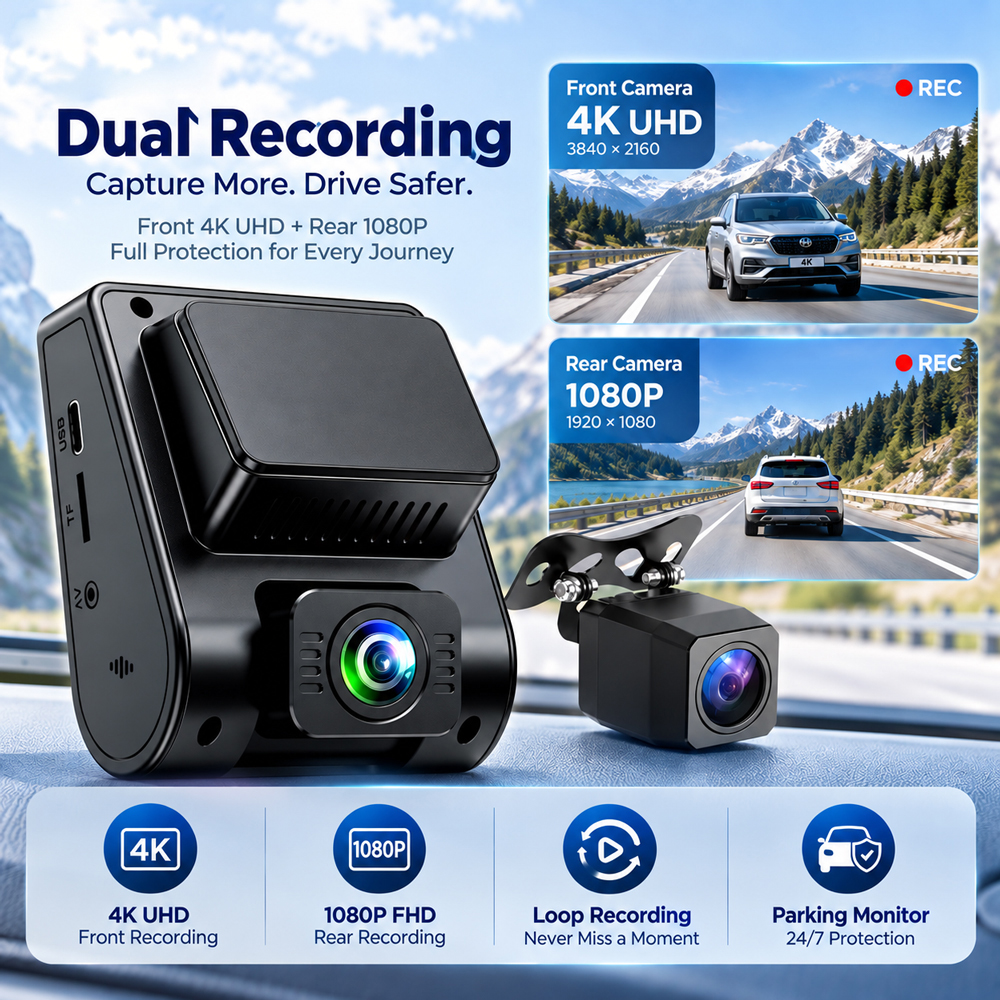
1. Parameter Inflation: Fake 4K Specs That Cut Costs by 50%
The first and most common reason for price gaps is inflated or fake technical specifications. Many low-cost suppliers label products as “4K” without delivering true ultra-HD performance.
A truedual dash cam 4K ultra HD front and rearrequires high-end image sensors, powerful processing chips, and premium lens glass. Cheaper suppliers cut corners in three key ways:
They use 1080p sensors and upscale footage via software, labeling it “4K” to mislead buyers.
They skip WDR (Wide Dynamic Range) technology, which balances bright and dark areas in footage.
They use plastic lenses instead of glass, which degrade faster in extreme temperatures.
For reference, a genuine 4K sensor alone costs 3x more than a 1080p sensor used in fake models. This single component explains most of the 2x price gap between suppliers.
1.2 How to Verify True 4K Performance
To avoid falling for fake specs, ask suppliers for concrete proof before placing bulk orders:
Request raw video sample files (not compressed marketing clips) to check resolution and detail clarity.
Confirm the exact sensor model number, and cross-check its official specs online.
Test for
front and rear dash cam 4K with WDRby reviewing footage shot in mixed lighting (e.g., tunnel entrances at dusk).
Keep in mind that adual dash camera 4K front and backwith verified specs will have a higher upfront cost, but it will reduce return rates by up to 40% according to 2026 small business feedback.
2. Feature Omission: Missing Core Functions That Drive Customer Satisfaction
The second pitfall behind price gaps is omitted features that customers expect in 2026. Many low-priced listings look identical on the surface, but they lack high-demand functions.
Suppliers often remove the following features to cut costs, without mentioning them in basic product descriptions:
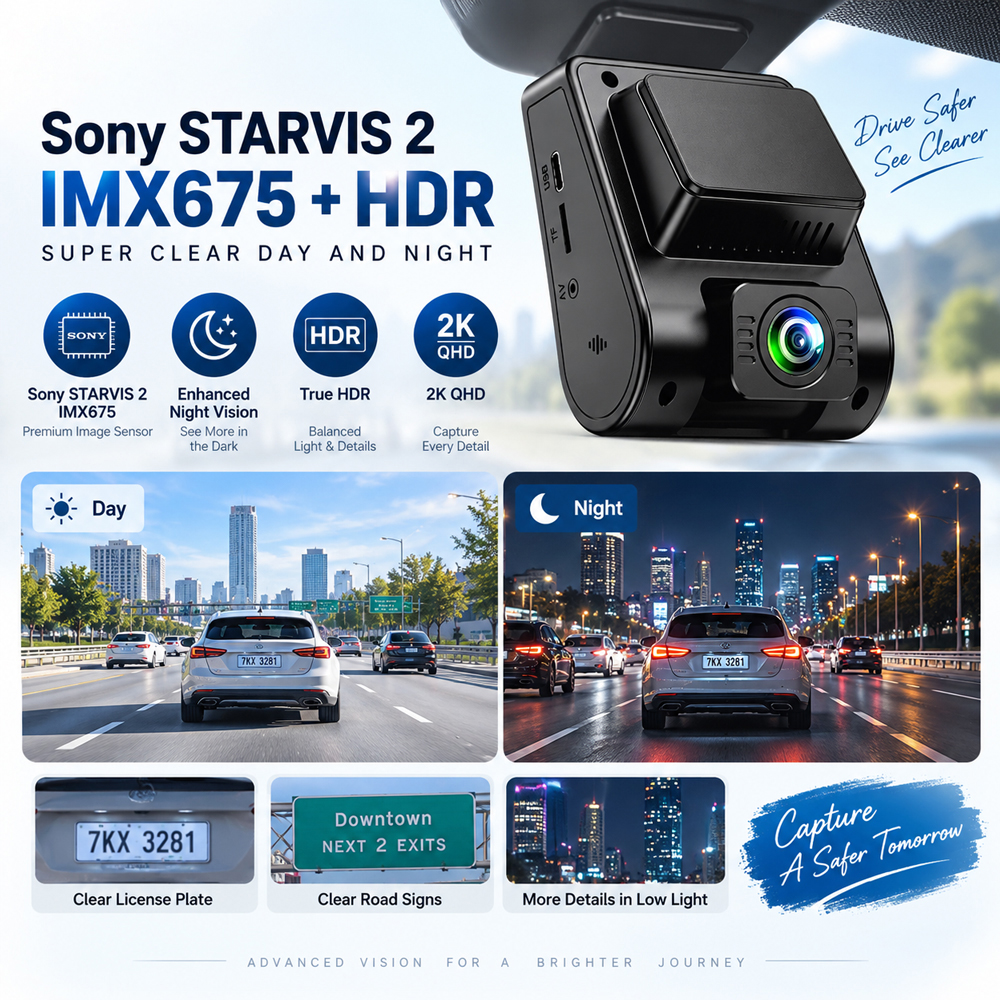
Night vision capabilities: A
front and rear dash cam 4K with night visionuses infrared sensors and low-light processing chips, which add 15-20% to production costs. Cheaper models rely on basic brightness adjustment, resulting in blurry nighttime footage.
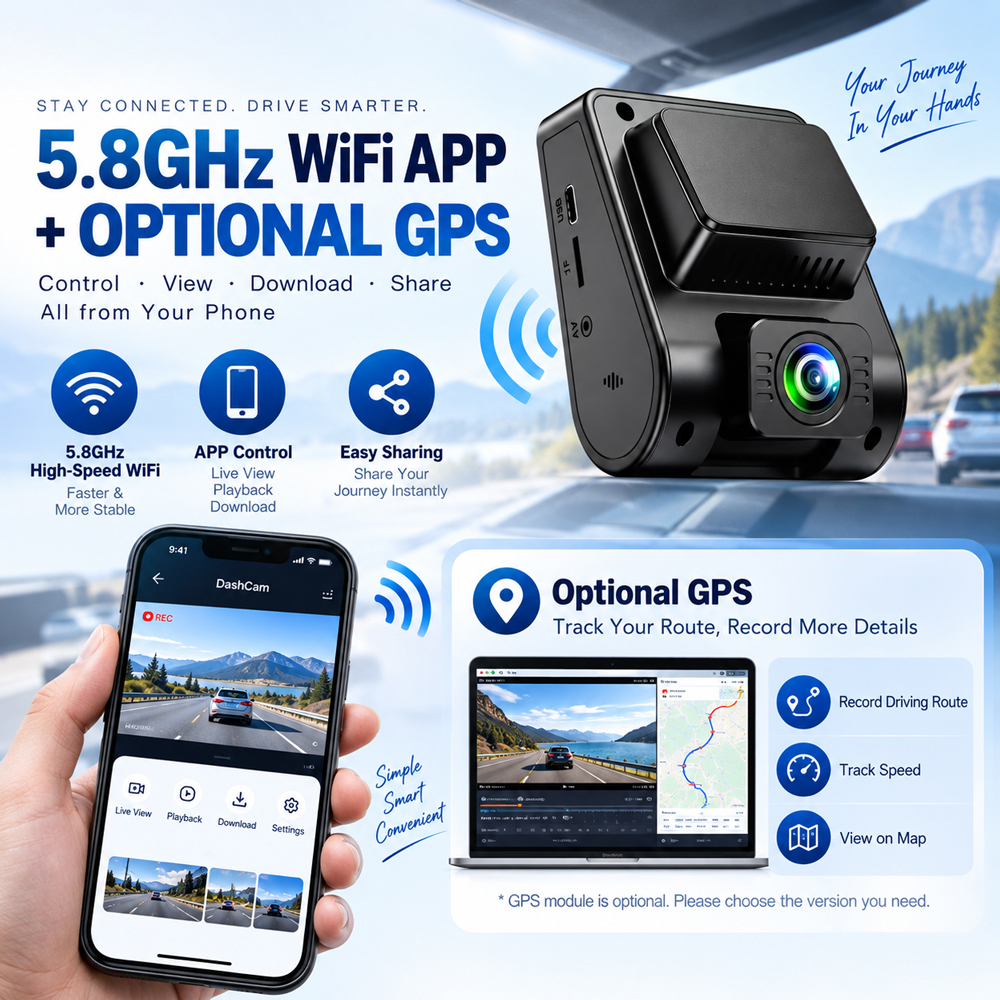
WiFi and GPS connectivity: A
4K dual dash cam with WiFilets users transfer footage to phones, while a
4K dual dash cam with GPStracks speed and location. Both are standard for mid-tier models but often removed from budget options.
Waterproof rear cameras: A
waterproof dual dash cam 4K front and rearrequires sealed housing and corrosion-resistant connectors, which add production costs. Non-waterproof rear cameras fail 3x faster in rainy or humid regions.
2.2 How Feature Gaps Hurt Your Business Profit
Missing features don’t just lower product value—they directly impact your bottom line:
Return rates increase by 35% for dash cams without advertised night vision, according to 2026 e-commerce data.
Customer reviews drop by an average of 1.2 stars for models lacking WiFi or GPS, reducing organic sales by 28%.
For
automotive electronics wholesale distributors, feature gaps lead to lost repeat business from retail clients who expect reliable, full-featured products.
Always compare full feature lists, not just headline specs, when evaluating quotes for afront and back dash cam 4K dual.
3. Supply Chain Differences: Factory Direct vs. Trading Company Markups
The third reason for price gaps lies in the supplier’s position in the supply chain. A 2x price difference doesn’t always mean a quality gap—it can mean you’re dealing with a middleman instead of a direct manufacturer.
3.1 How Supply Chain Layers Add Extra Costs
In 2026’s dash cam market, pricing typically follows this structure from lowest to highest:
Direct OEM factory: Sets the base price for a
dual channel dash cam 4K front and rear, with no middleman markup.
Regional trading company: Adds 30-50% markup for sourcing, quality checks, and export paperwork.
Import distributor: Adds another 20-40% markup for local warehousing and customer support.
For small business owners, working with a direct factory can cut costs by up to 50% compared to buying through a distributor. However, factories often require higher minimum order quantities (MOQs).
3.2 How to Balance Cost, Quality, and MOQ for Small Orders
If you’re a small business with limited inventory budget, use these strategies to get the best value:
Ask suppliers for their MOQ tiers: Many factories offer lower MOQs (100-200 units) for first-time clients to build long-term relationships.
Request a sample order first: Pay a small premium for 1-5 units to test quality before committing to a bulk purchase.
Verify factory credentials: Check for ISO 9001 certification and past client reviews to ensure you’re not working with an unvetted middleman.
For afront and rear dash camera 4K dual, a direct factory with transparent pricing will always offer better long-term value than a low-cost trading company with hidden fees.
Alt text:4K dual dash cam front and rearsupply chain price breakdown 2026
Final Tips for Sourcing 4K Dual Dash Cams in 2026
By avoiding these three pitfalls, you can source high-quality dash cams at fair prices and build a profitable inventory for your small business.
Key Takeaways for Cross-Border Sellers
Before you finalize your next purchase, remember these core rules:
Never trust headline 4K claims without verifying sensor specs and sample footage.
Always compare full feature lists, including night vision, WiFi, GPS, and waterproofing.
Prioritize direct factory suppliers with transparent pricing and verifiable credentials.
To get started on your next sourcing project:
Create a detailed spec sheet listing all required features for your
4K dual dash cam front and rearinventory.
Reach out to 5-7 verified suppliers and request quotes with identical spec requirements.
Order samples from the top 2-3 suppliers to test quality before placing a bulk order.
With careful vetting, you can turn confusing price gaps into an opportunity to boost your profit margins while delivering reliable products to your customers.